Welcome to Streffel's Space Blog

Here, you'll find stunning images of space—captured through a telescope—showcasing the wonders that float above us.

Take a moment to explore and enjoy the beauty of the cosmos.

Partial Solar Eclipse

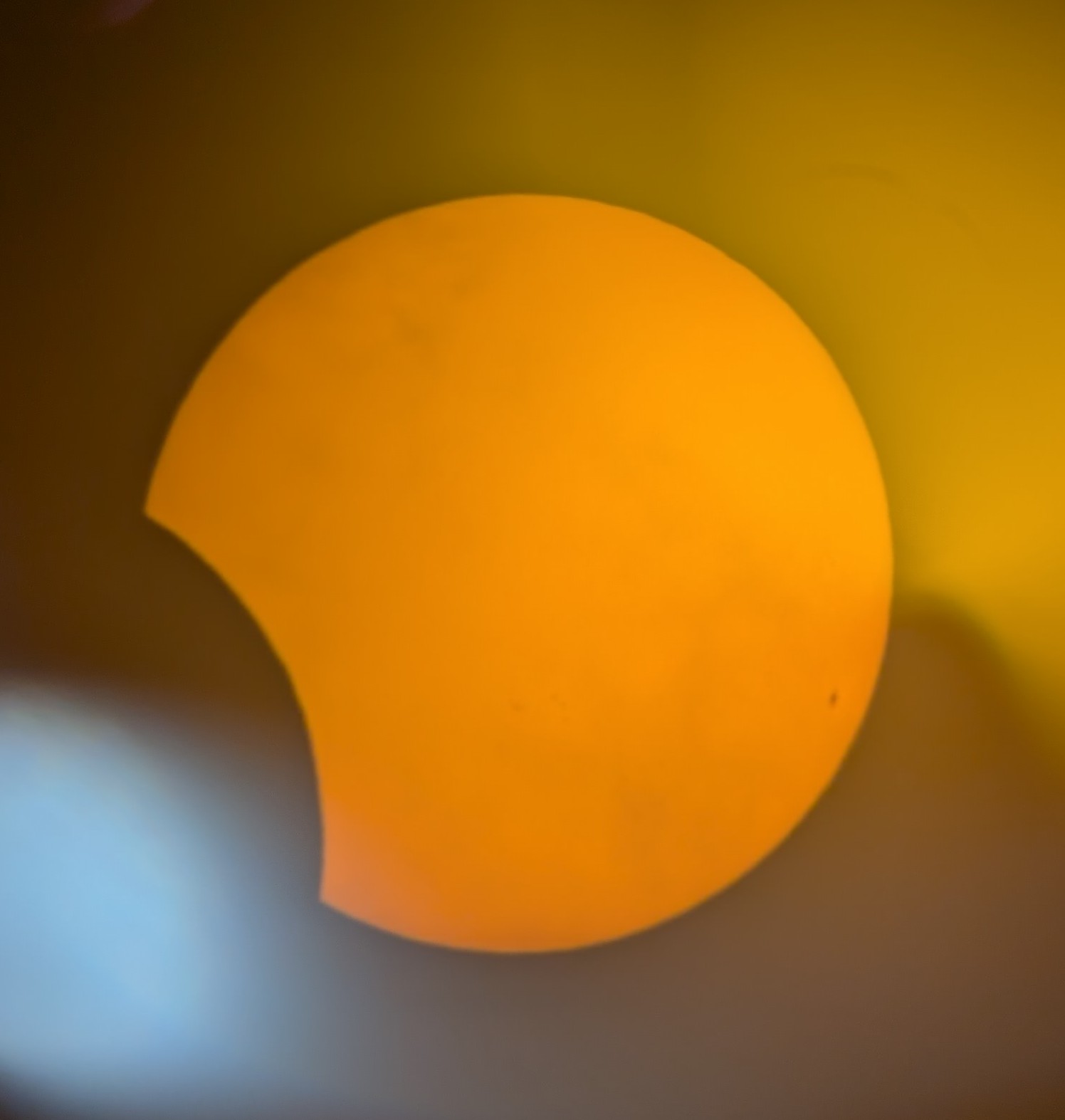
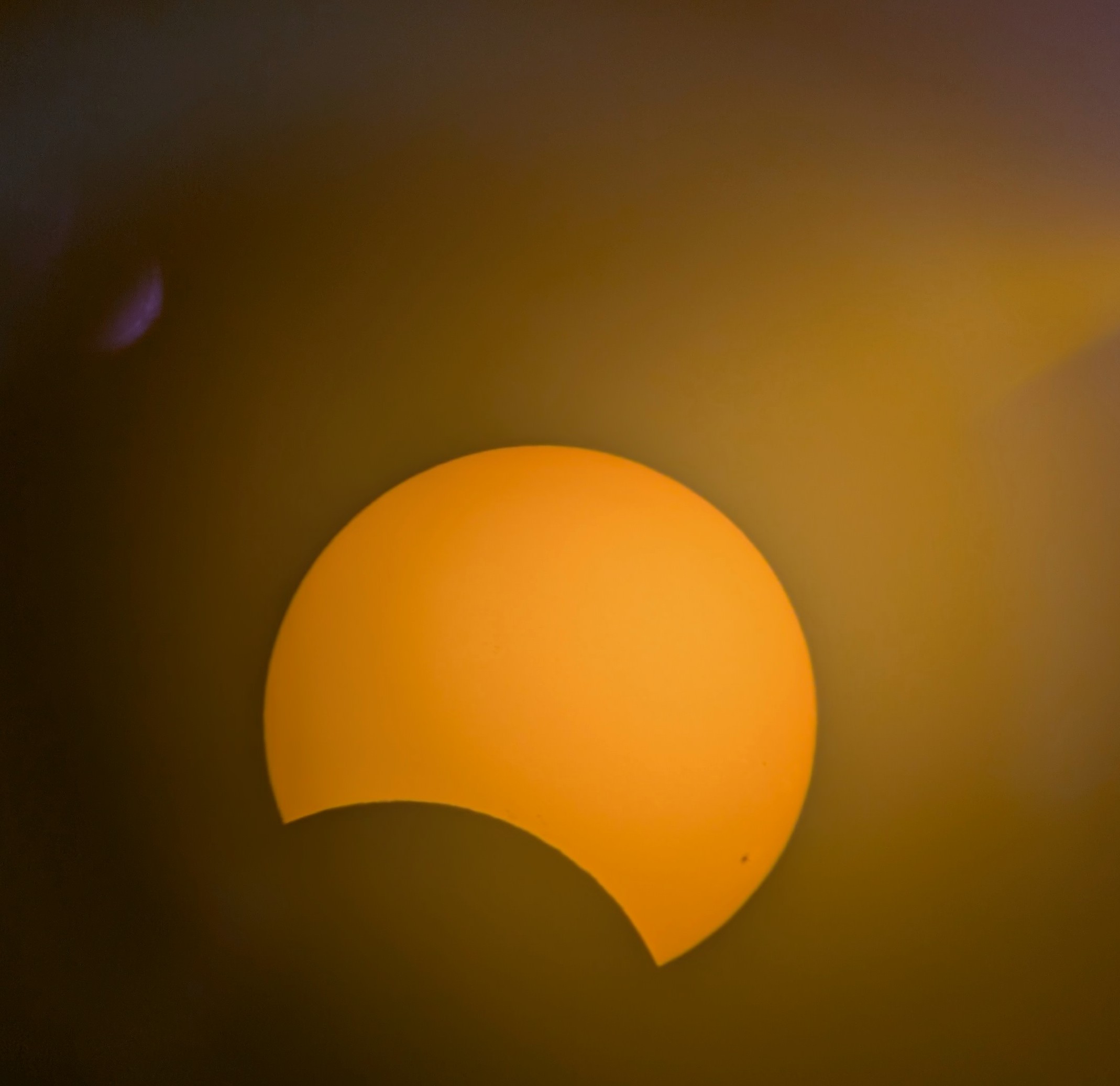
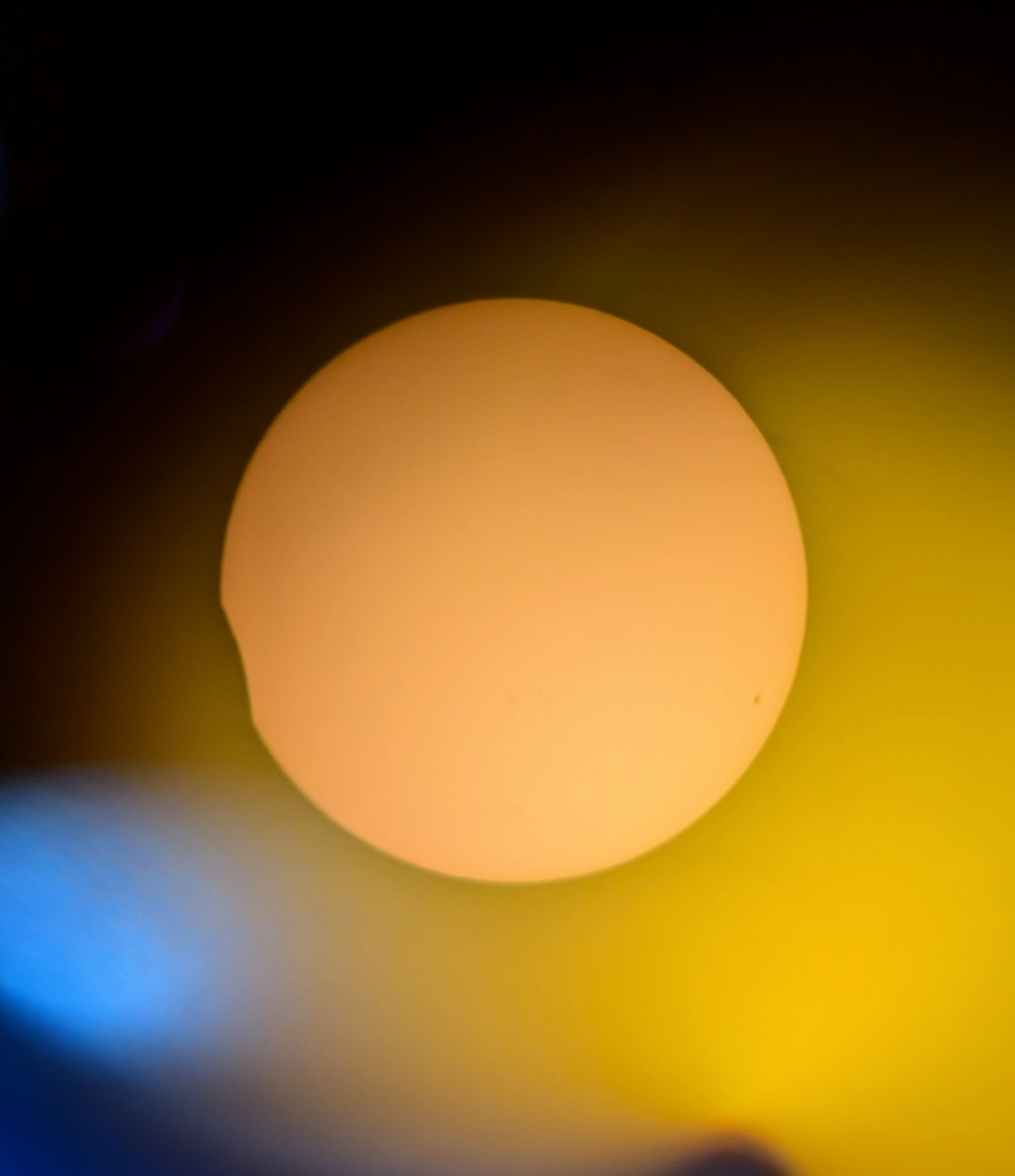
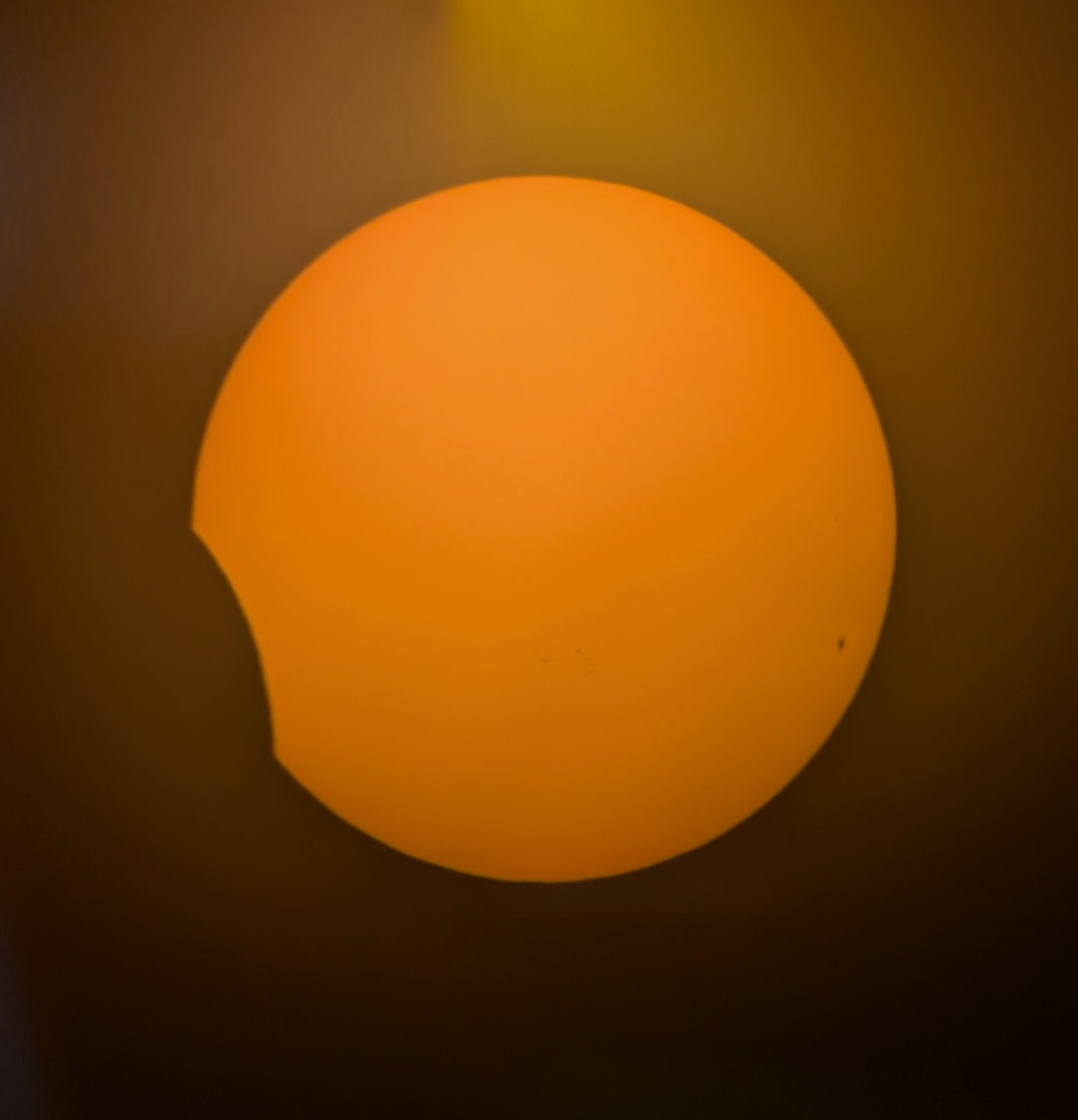
On March 29, 2025, a partial solar eclipse graced the skies, visible across parts of the Northern Hemisphere. During this event, the Moon passed between the Earth and the Sun, but the alignment wasn’t perfect, leaving only part of the Sun obscured.

The eclipse was most prominent in Europe, with the deepest coverage in the northwest. From my location, about 25% of the Sun was obscured, peaking around noon.

This eclipse was part of Saros cycle 149, a series of eclipses with similar characteristics. It occurred just 0.8 days before the Moon reached perigee—its closest point to Earth—making the Moon appear slightly larger in the sky.

I'm thrilled to have witnessed this phenomenon under clear skies, using a solar filter on my telescope to capture these moments. Notice the sunspot on the bottom-right side of the Sun in the images below.
Full Moon

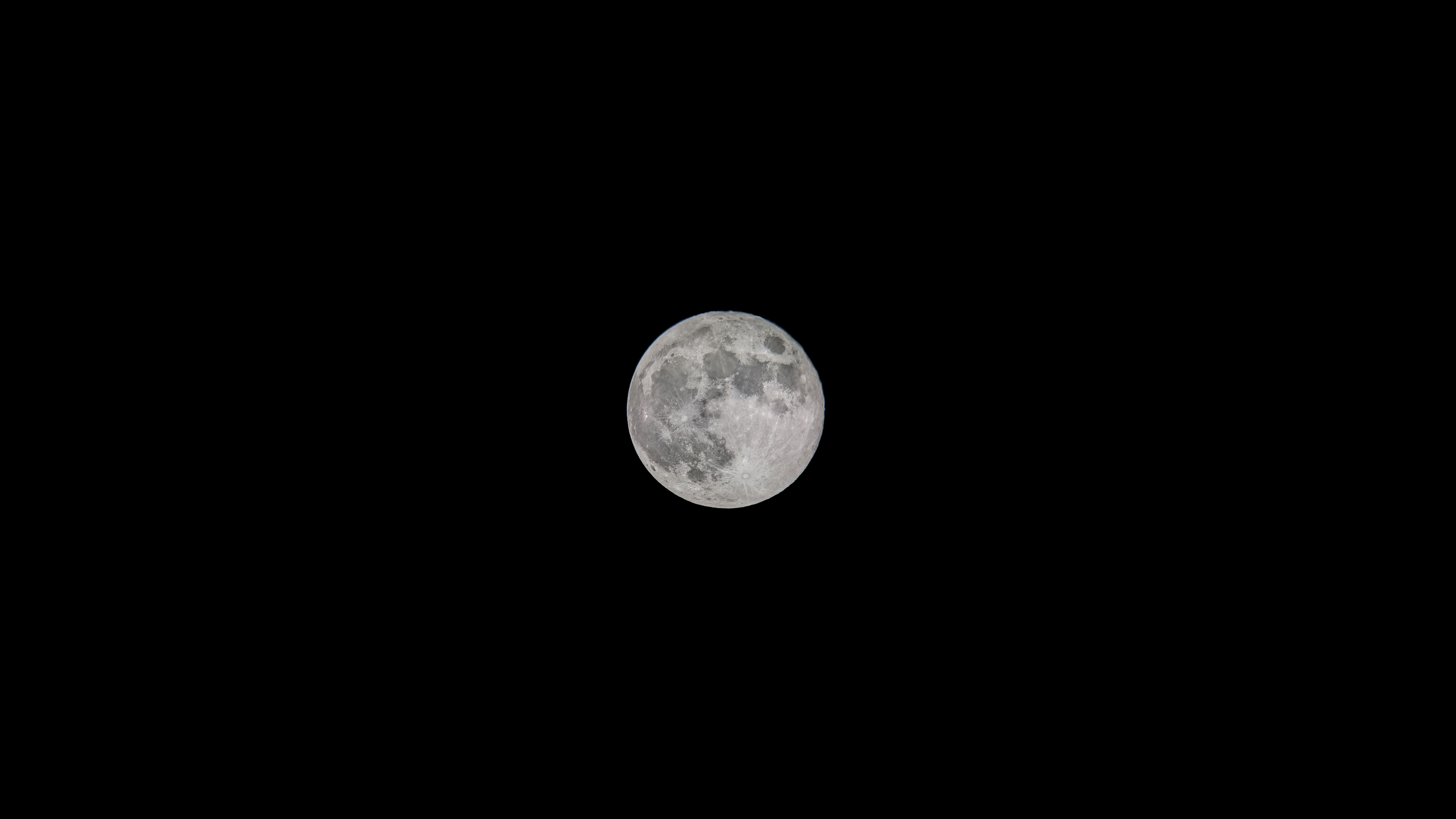
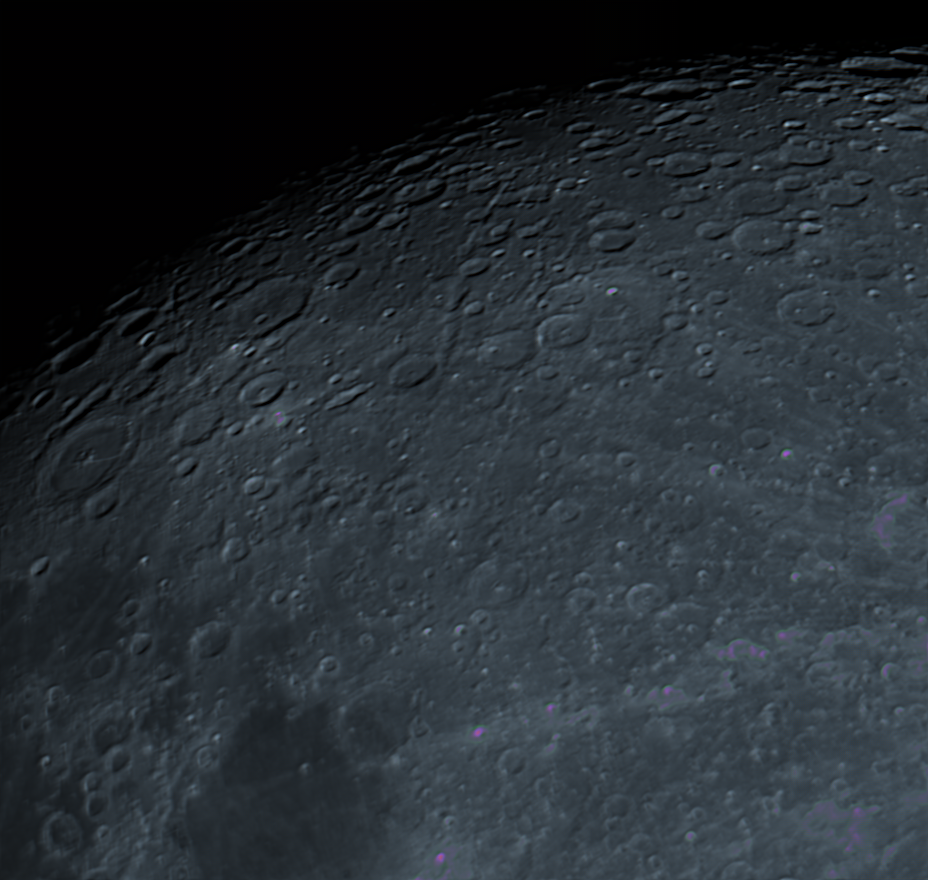
The full moon is breathtaking through a telescope. Although it's very bright it is incredibly detailed. The contrast between the bright highlands and darker areas of the Moon is striking.

The highlands are made of anorthosite, a material that reflects more light. The darker regions, called lunar maria (Latin for "seas"), are smooth plains formed by ancient volcanic activity.

When and Why You See the Moon

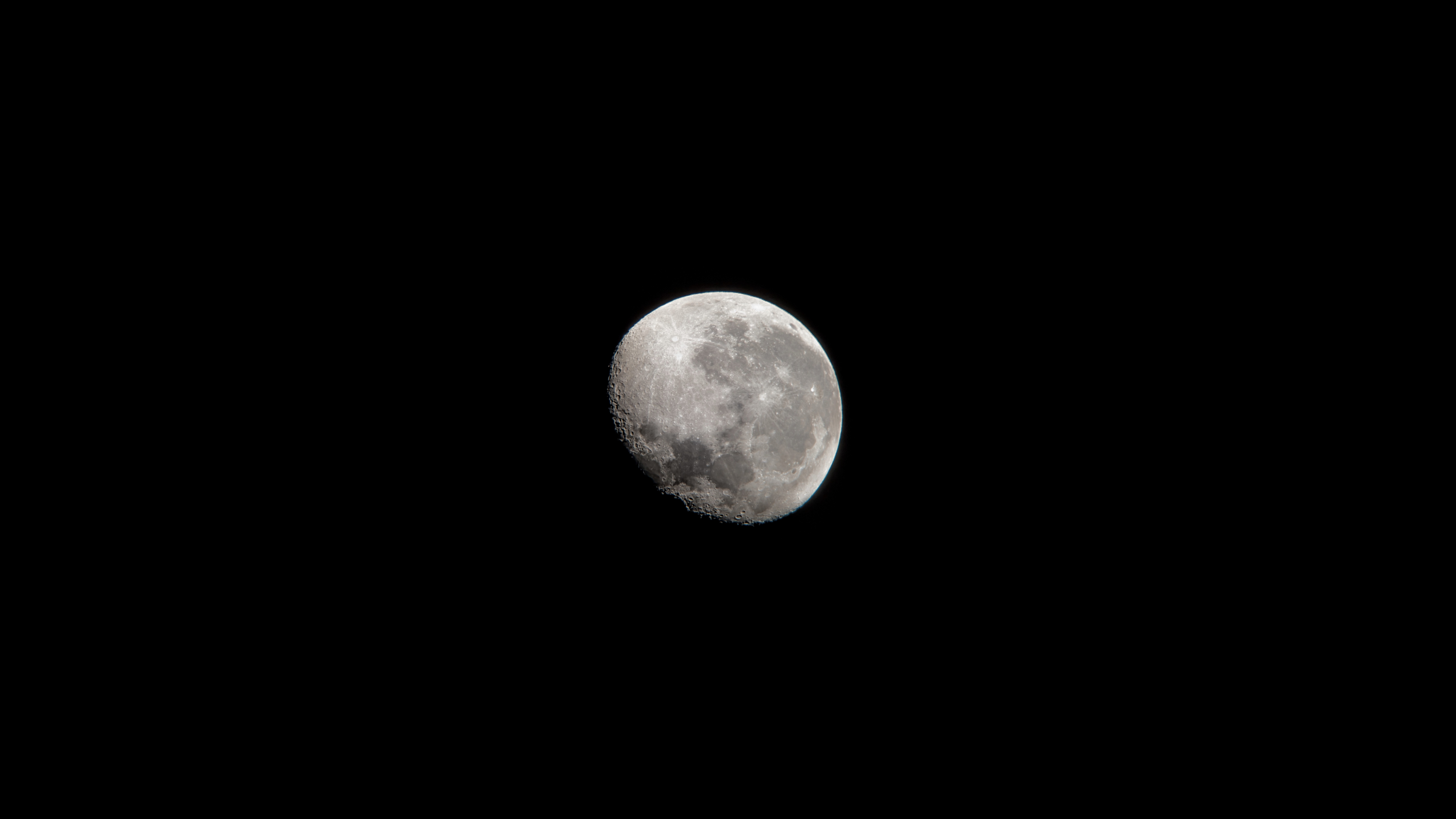
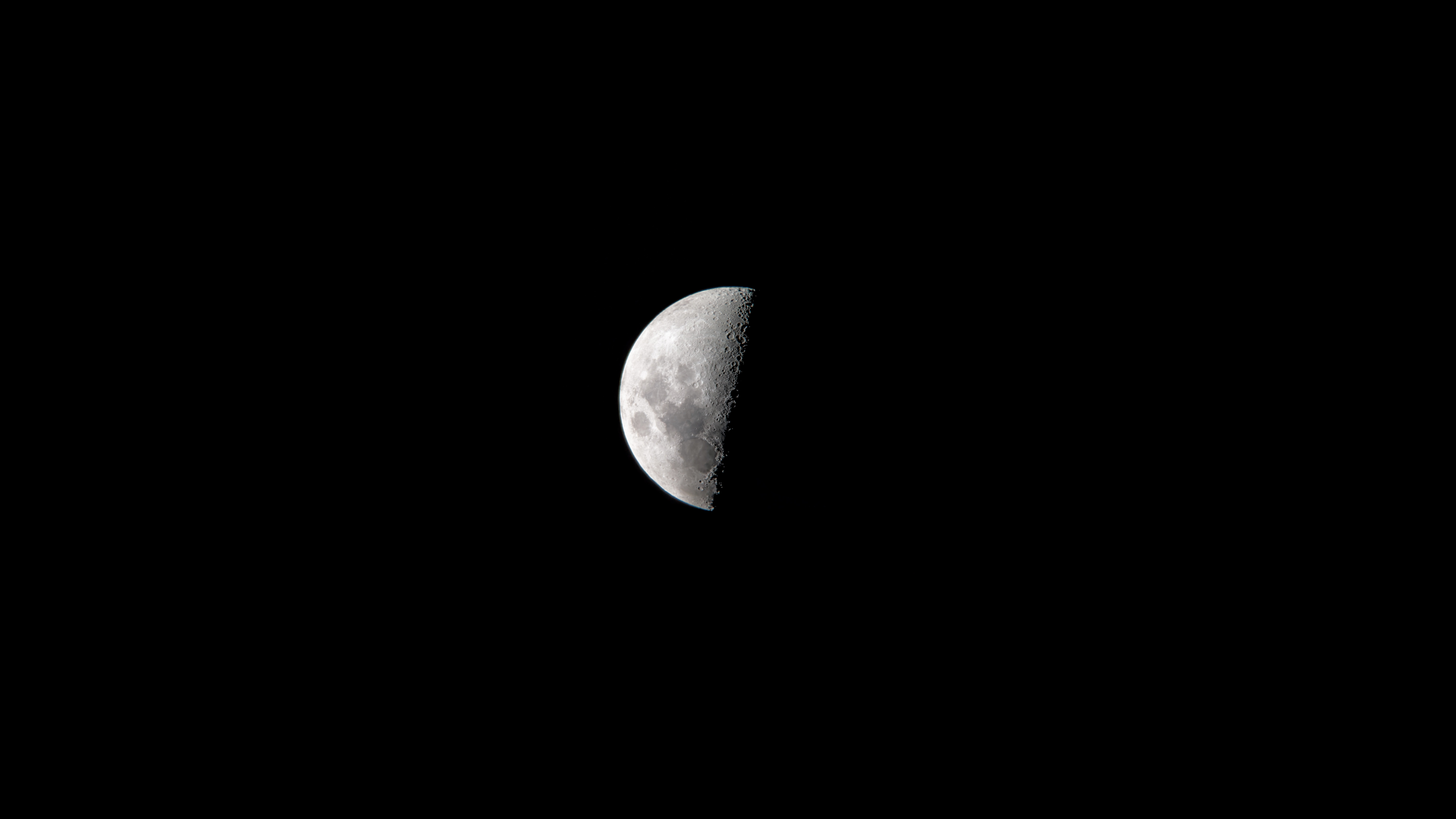
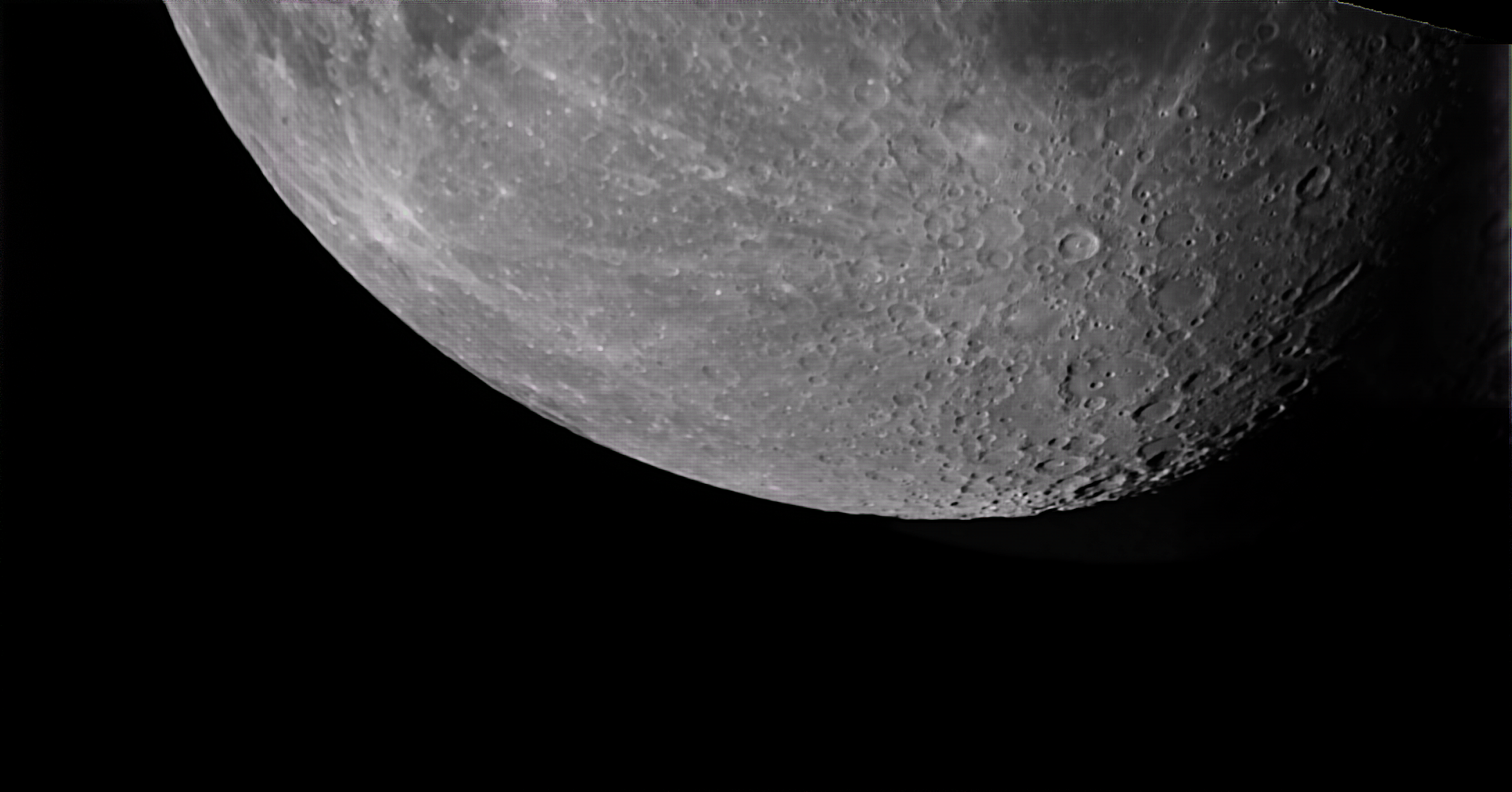
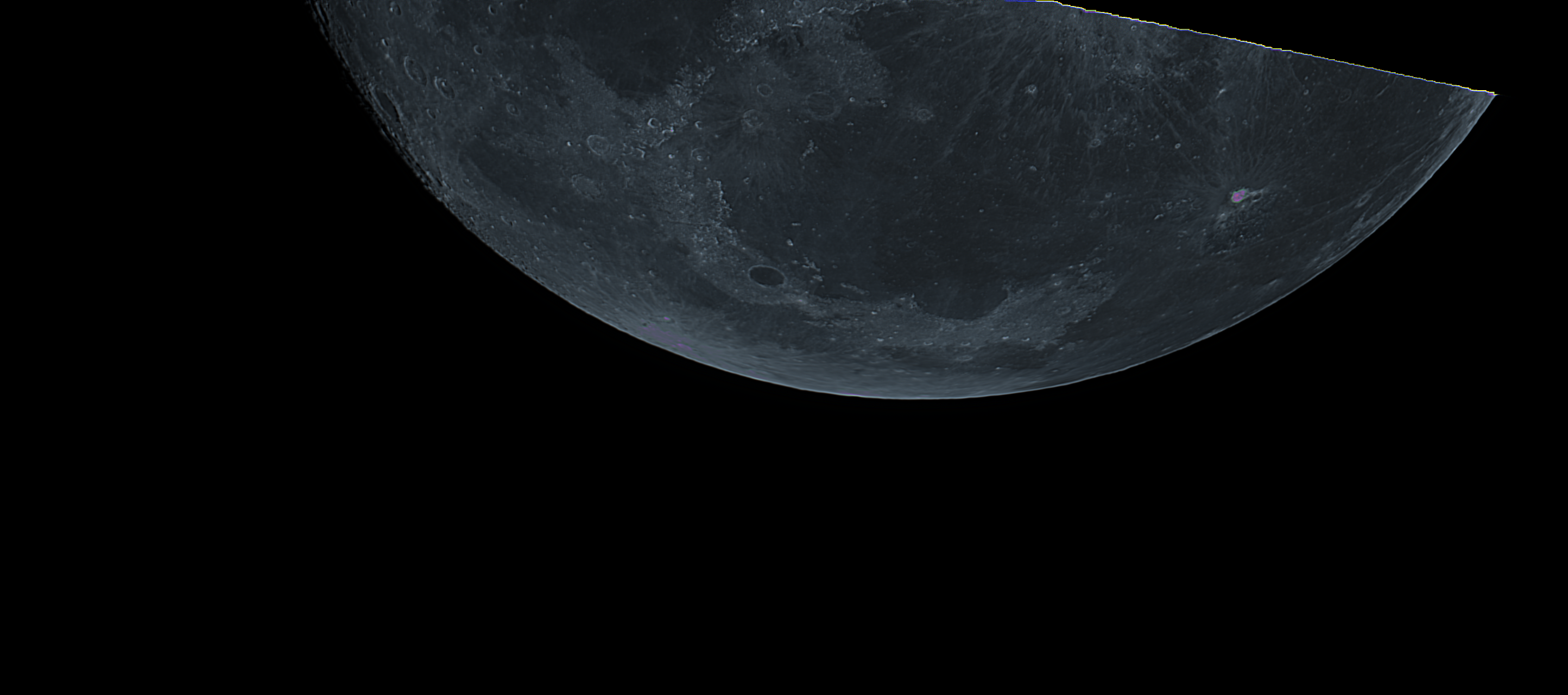
Here are some images of the Moon in different phases. These phases occur as the Earth casts its shadow on the Moon (but you probably already knew that!).

Because the Moon reflects sunlight and isn’t always directly opposite the Sun, its position shifts daily. That’s why you sometimes see the Moon during the day—especially during crescent and quarter phases.

Because the Moon reflects sunlight and orbits the Earth, it’s not always directly opposite the Sun. As a result, the part of the Moon we see illuminated—and the time it appears in the sky—changes a little each day. This is why you can often spot the Moon during the daytime, especially during the crescent and quarter phases.

Astrophotography

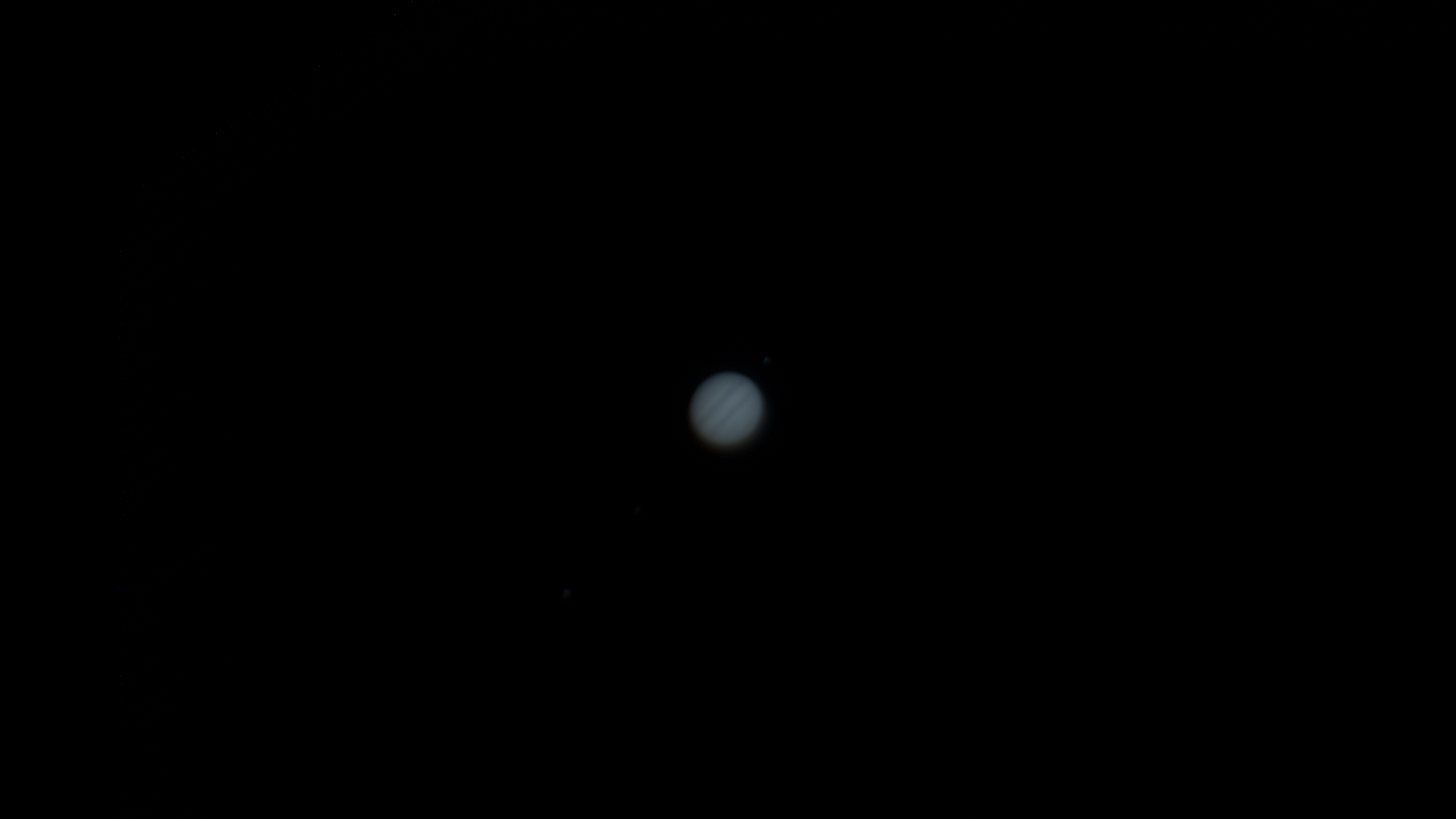
These are my first attempts at astrophotography. Note the Galilean moons of Jupiter, they're small but visible.

5-11-25 Supermoon

On 5-11-25, I captured the supermoon in all its glory. I'm still learning the intricacies of astrophotography, but I'm pleased with the results so far.